Call us now :07315122038
 Send Inquiry
 Send Inquiry
Head Pulley with Rubber lagging sheet
Head Pulley with Rubber lagging sheet Specification
- Power Source
- Belt Driven
- Features
- Enhanced Grip, Increased Belt Life, Reduced Slippage
- Belt Type
- Abrasion Resistant Rubber Lagging
- Surface Finish
- Rubber Covered
- Thickness
- Rubber Lagging Thickness: 8 mm to 12 mm
- Material
- Mild Steel with Rubber Lagging
- Type
- Head Pulley with Rubber Lagging
- Structure
- Heavy Duty Steel Fabrication
- Belt Conveyor
- Compatible
- Roller Conveyor
- Not Compatible
- Resistant Feature
- Corrosion and Wear Resistant
- Load Capacity
- Up to 5000 kg
- Speed
- Customizable as per Conveyor Design
- Usage & Applications
- Ideal for Belt Conveyor Systems in Mining, Cement, Power Plants, and Bulk Material Handling
- Diameter Range
- 200 mm to 1200 mm
- Maintenance
- Low Maintenance Required
- Application Environment
- Outdoor/Indoor Industrial Environments
- Pulley Shell
- Seamless Mild Steel
- Balance
- Dynamic and Static Balanced
- Coating Type
- Diamond or Plain Rubber Lagging
- Length
- 300 mm to 2200 mm
- Operating Temperature
- -10°C to +70°C
- Shaft Material
- EN8/EN9 Steel
- Mounting
- Shaft Mounted with Keyways
- Lagging Material Hardness
- 65 ± 5 Shore A
- Pulley Face Width
- Standard & Customized Available
About Head Pulley with Rubber lagging sheet
We provide this Pulley Lagging in several standard specifications to allow easy installation on the drive pulleys and snub, bend & tail pulleys. The product is welded or bolted to the pullet face for minimizing vibrations. The product is flame & oil resistant, chemical & heat protected, replaceable and comes with wing pulleys. Most of the people prefer this product in the industrial sector because of the highest coefficient of friction and extended contact bar life. Use slide-lag pulley on this product solves the skid problem. Pulley Lagging is made up of quality assured raw materials by a team of adroit professionals. To give the assurance of quality levels, the entire range of this product is stringently examined by quality controllers.
Optimized Performance and Durability
Our Head Pulley with Rubber Lagging is engineered for demanding industrial environments, providing exceptional grip, reducing belt slippage, and extending the service life of conveyor belts. The heavy-duty mild steel construction ensures strength, while the abrasion-resistant rubber lagging enhances both friction and protection against wear.
Custom-Built for Versatile Applications
Available in standard and customized face widths, diameters, and lagging patterns, this head pulley adapts seamlessly to various conveyor designs. From mining to bulk material handling, its high load capacity and operational flexibility make it a reliable choice for any heavy-duty belt conveyor system.
Reduced Maintenance, Increased Efficiency
Built with low-maintenance components and corrosion-resistant materials, the head pulley minimizes downtime and operational costs. Its static and dynamic balancing contributes to smooth operation, even under varying loads and temperatures ranging from -10C to +70C.
FAQs of Head Pulley with Rubber lagging sheet:
Q: How does rubber lagging enhance the performance of the head pulley?
A: Rubber lagging significantly improves the head pulleys grip on the conveyor belt, reducing slippage and enhancing the efficient transmission of power. It also protects the pulley from wear and corrosion, ultimately extending both the lifespan of the pulley and the conveyor belt.Q: What is the process for customizing the pulley dimensions or lagging type?
A: To customize the pulley, you can specify your preferred diameter (from 200 mm to 1200 mm), length (300 mm to 2200 mm), face width, and lagging type (diamond or plain). Customizations are processed based on your conveyor system requirements to ensure compatibility and optimal functionality.Q: When should the head pulley with rubber lagging be selected for a conveyor system?
A: This head pulley is ideal whenever enhanced traction, reduced slippage, and increased equipment lifespan are necessary. It is particularly beneficial for heavy-duty, high-load, or abrasive environments common in mining, cement, and bulk material handling industries.Q: Where can these head pulleys be used?
A: These pulleys are suitable for both indoor and outdoor industrial settings, including mining sites, cement plants, power generation facilities, and other areas involving bulk material transport via belt conveyors.Q: What routine maintenance is required for a head pulley with rubber lagging?
A: Minimal maintenance is needed due to the robust materials and corrosion-resistant design. Regular inspections to ensure proper alignment and occasional cleaning of the lagging surface are typically sufficient to keep the pulley operating efficiently.Q: How is the head pulley installed and balanced for operation?
A: The pulley is shaft mounted using keyways and is both statically and dynamically balanced during manufacturing to ensure stable, vibration-free operation. Proper installation is essential for optimal performance and long-term reliability.Q: What are the benefits of using a head pulley with rubber lagging in conveyor systems?
A: Key benefits include improved grip, decreased belt slippage, longer belt and pulley service life, adaptability to various conveyor designs, and reduced maintenance needs, resulting in enhanced productivity and overall operational efficiency.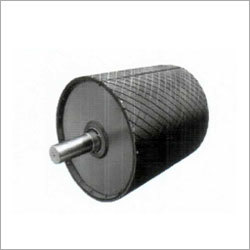
Tell us about your requirement

Price:
Quantity
Select Unit
- 50
- 100
- 200
- 250
- 500
- 1000+
Additional detail
Mobile number
Email

More Products in Conveyor Belt Accessories Category
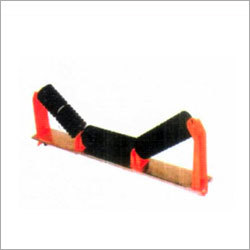
Troughing Idlers with frame
Minimum Order Quantity : depend Unit
Features : Long service life, smooth rotation, minimal maintenance, impact resistant, precise alignment
Structure : Other, Threeroller configuration with robust steel frame
Material : Heavyduty steel (rollers and frame), Seamless steel tube rollers
Type : Other, Troughing Idlers with frame
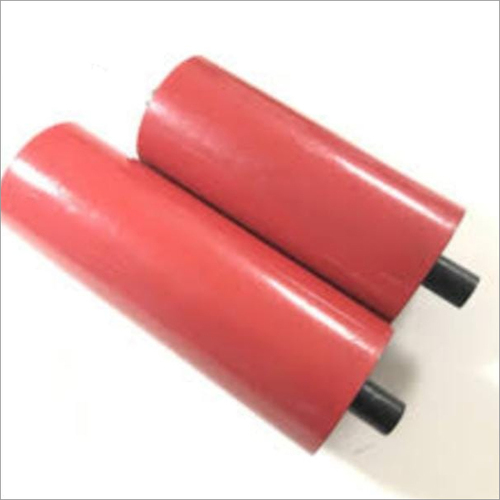
Carrying Idlers without frame
Features : Low runout, Seamless tube, Triple Labyrinth Seal, Less maintenance
Structure : Other, Steel Tube with Shaft, Bearing Housing and Seals
Material : Mild Steel, Polymer/HDPE also available
Type : Other, Carrying Idler
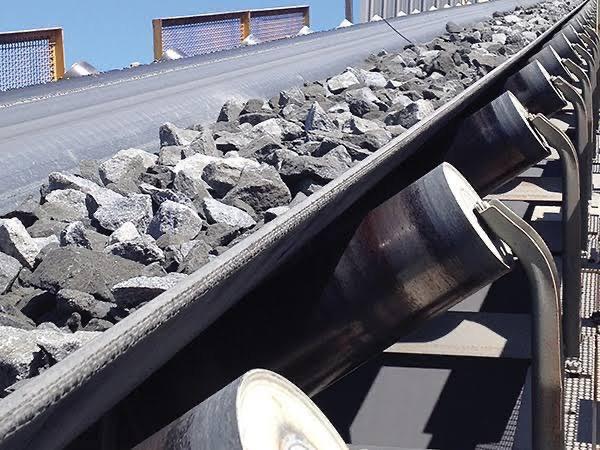
Coal and Aggregate
Price 100000 INR / Piece
Minimum Order Quantity : 1 Piece
Features : Durable
Structure : Belt
Material : conveyor
Type : Belt Conveyor
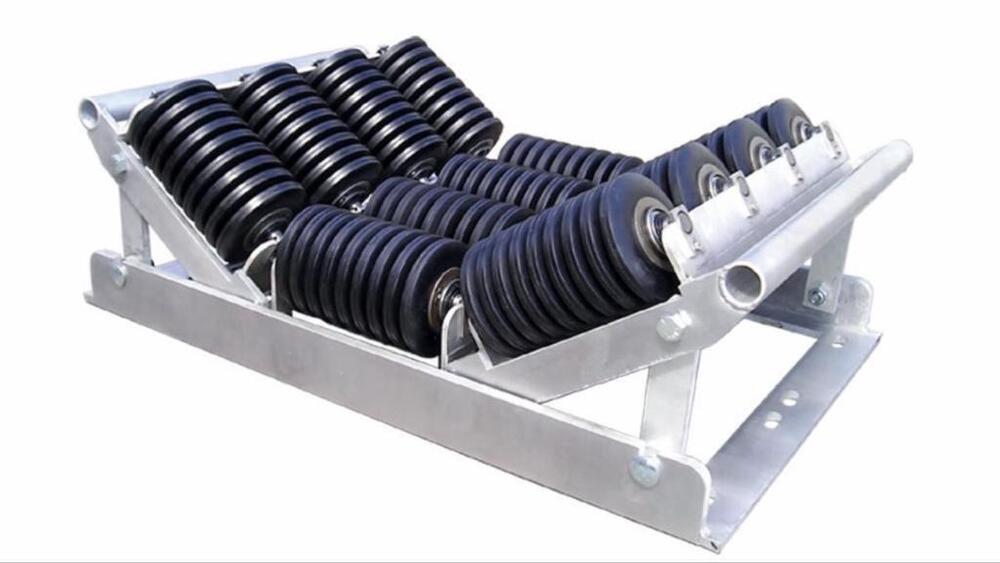
Impact Idlers Heavy Duty with Frame
Price 950 INR / Piece
Minimum Order Quantity : 1 Piece
Features : Durable
Structure : Roller
Material : Mild Steel
Type : Incline and Decline Conveyor

 Send Inquiry
4641/A, Inside , Ajmeri Gate,Delhi - 110006, India

Mr. Sachin Thukral
(Proprietor)
Mobile :07315122038
 Send Inquiry
 Send SMS
Developed and Managed by Infocom Network Private Limited.
