Call us now :07315122038
 Send Inquiry
 Send Inquiry
Rubber Impact Idlers
MOQ : depend Unit
Rubber Impact Idlers Specification
- Power Source
- Conveyor system driven
- Features
- Absorbs shock, reduces belt damage, noise dampening, low maintenance
- Surface Finish
- Smooth, anti-corrosive paint/galvanized
- Thickness
- Rubber lining 10 mm to 25 mm
- Belt Type
- General purpose and heavy duty
- Material
- Mild steel frame with rubber-coated rollers
- Type
- Rubber Impact Idler
- Structure
- Trough, Flat, and Customized design
- Belt Conveyor
- Compatible with all conventional belt conveyors
- Roller Conveyor
- Applicable in impact zones
- Resistant Feature
- High impact resistance, wear resistant, and corrosion resistant
- Load Capacity
- Up to 1000 kg per idler, depending on diameter and application
- Speed
- Up to 3.5 m/s
- Usage & Applications
- Installed at loading and transfer points to absorb impact; suitable for mining, quarrying, cement, and bulk material handling industries
- Noise Level
- Low
- Operating Temperature
- -20°C to +80°C
- Color
- Black/blue rubber with painted or galvanized steel frame
- Roller Diameter
- 89 mm to 159 mm
- Shaft Diameter
- 20 mm to 40 mm
- Compliance
- IS 8598/ISO standard
- Customization
- Available for size, thickness, and mounting type
- Bearing Type
- Sealed deep groove ball bearings
- Roller Length
- 200 mm to 1800 mm (customizable)
- Installation
- Bolt-on or welded
About Rubber Impact Idlers
Instead of normal steel roller, they are extensively used for carrying goods at a loading point. Our Impact Rollers are capable of absorbing weight and impacts of material falling onto belts. Salient features of these rollers are abrasion resistant nature, extended service life, water or dust proof design and reduction of bearing failure. Shock and vibration absorption capacity of these rollers makes them suitable for loading zone in warehousing, production and packing units. Our experienced professionals manufacture these rollers by utilizing top-notch quality raw materials. We ensure on-time delivery of these Impact Rollers at your end with the surety of quality and effectiveness.
Maximum Protection for Your Conveyor System
Rubber Impact Idlers act as a cushion between conveyed material and the conveyor belt, significantly reducing belt wear and shock at impact zones. Their durable rubber lining (10-25 mm thick) and rugged steel frame construction ensure enhanced longevity, while their high load capacity makes them suitable for heavy-duty operations. These idlers keep your conveyor system running smoothly, minimizing downtime and costly damage repairs.
Versatile Designs for Every Application
Available in trough, flat, and customized structures, these idlers suit a wide array of belt conveyors in demanding environments. Whether in mining, cement plants, or material transfer points, their customizable dimensions and mounting options accommodate any project requirements. Enjoy flexible installation via bolt-on or welded methods, adapting seamlessly to your sites needs. Their low-noise, anti-corrosive finish ensures enduring performance in aggressive conditions.
FAQs of Rubber Impact Idlers:
Q: How are Rubber Impact Idlers installed in conveyor systems?
A: These idlers can be mounted either by bolting them onto pre-drilled frames or by welding, depending on your conveyor structure and site requirements. Both installation types ensure secure placement at loading or transfer points, where the idlers can optimally absorb shock and reduce belt damage.Q: What benefits do Rubber Impact Idlers offer over traditional steel idlers?
A: Rubber Impact Idlers provide superior shock absorption, effectively reducing belt wear and prolonging belt life. Their low noise levels, high resistance to impact, wear, and corrosion, and the ability to accommodate higher loads make them preferable in high-impact zones compared to conventional steel idlers.Q: When should I choose customized Rubber Impact Idlers?
A: Opt for customized idlers if your conveyor requires specific roller diameters, lengths, shaft sizes, or mounting types not covered by standard models. Customization ensures optimal fit, performance, and longevity for unique conveyor layouts or challenging bulk material handling tasks.Q: Where are these Rubber Impact Idlers typically used?
A: These idlers are installed at loading and transfer points on conventional belt conveyors, particularly in industries such as mining, quarrying, cement, and bulk material handling, where maximum impact absorption is critical for equipment longevity.Q: What is the process for selecting the right Rubber Impact Idler?
A: Begin by assessing your conveyors belt width, expected load, belt speed, and the size of the conveyed material. Select the appropriate roller diameter (89 - 159 mm), length (200 - 1800 mm), and shaft diameter (20 - 40 mm). Consider your desired mounting option and whether standard or customized designs best suit your operation. Consult with the manufacturer or supplier for compatibility and special requirements.Q: How does the rubber lining improve idler performance?
A: The rubber lining, available in thicknesses from 10 mm to 25 mm, effectively cushions the impact of heavy or sharp material. This protection reduces the risk of belt puncture or gouging, extends idler life, and maintains quieter, more stable system operation.Q: What types of conveyors and belts are these idlers compatible with?
A: Rubber Impact Idlers are compatible with all conventional belt conveyors, handling both general purpose and heavy-duty belts. They are particularly suited for impact zones but can be adapted to various conveyor structures, including trough and flat designs, for effective material transport.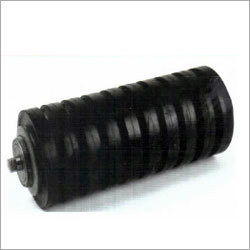
Tell us about your requirement

Price:
Quantity
Select Unit
- 50
- 100
- 200
- 250
- 500
- 1000+
Additional detail
Mobile number
Email

More Products in Conveyor Belt Accessories Category
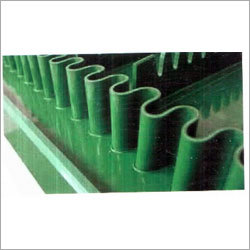
PVC Conveyor belts with side wall PVC Profiles
Resistant Feature : Other, Oil, water, abrasion, and chemical resistant
Structure : Other, Belt conveyor with integral sidewall PVC profiles
Material : Highquality Polyvinyl Chloride (PVC)
Surface Finish : Smooth or textured as per customer requirement
Type : Other, Conveyor Belt with Sidewall PVC Profiles
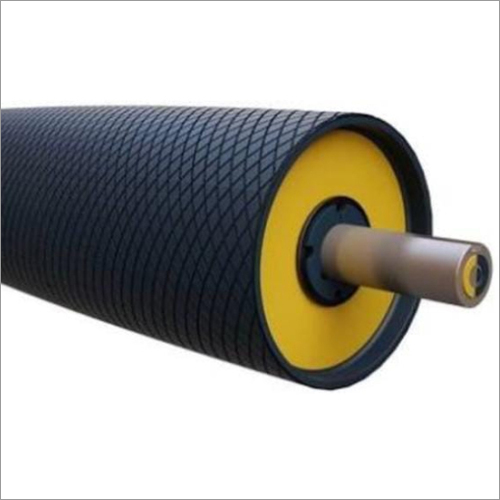
Over head pulley with Rubber Lagging sheet
Resistant Feature : Other, Abrasion, Wear, and Corrosion Resistant
Structure : Other, Heavyduty welded steel
Material : Mild Steel body with Rubber Lagging
Surface Finish : Matt or Glossy RubberCoated
Type : Other, Overhead Pulley with Rubber Lagging Sheet
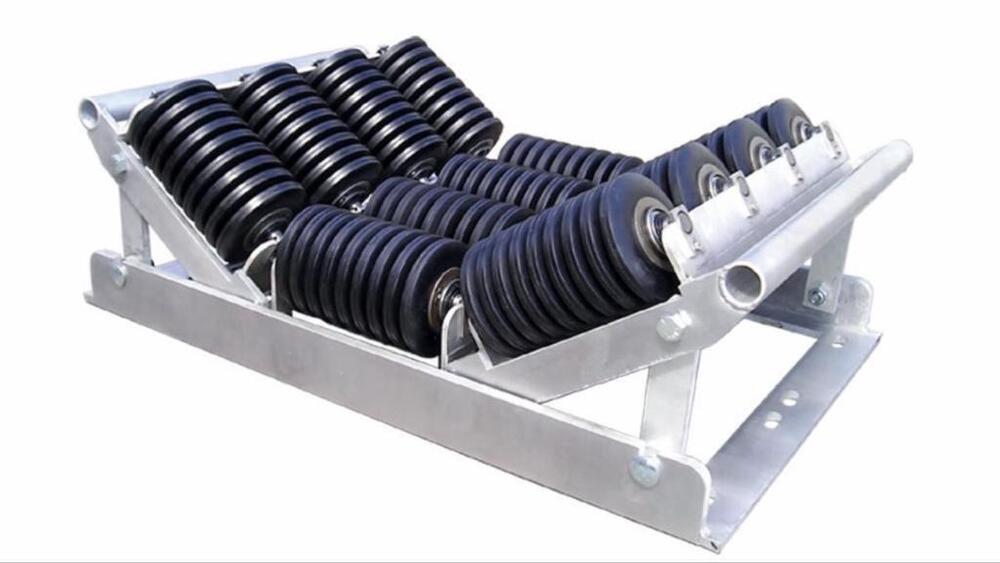
Impact Idlers Heavy Duty with Frame
Minimum Order Quantity : 1 Piece
Resistant Feature : Heat Resistant
Structure : Roller
Material : Mild Steel
Surface Finish : Smooth
Type : Incline and Decline Conveyor

 Send Inquiry
4641/A, Inside , Ajmeri Gate,Delhi - 110006, India

Mr. Sachin Thukral
(Proprietor)
Mobile :07315122038
 Send Inquiry
 Send SMS
Developed and Managed by Infocom Network Private Limited.
